The European Union’s Packaging and Packaging Waste Regulation (PPWR) is set to fundamentally reshape how beauty and D2C brands approach their packaging strategies. For companies shipping products into EU markets, EU PPWR paper packaging represents not just a compliance pathway but a strategic competitive advantage. As the 2026 implementation deadline approaches, brands that proactively transition to fiber-based solutions will find themselves ahead of both regulatory enforcement and shifting consumer expectations.
What Is EU PPWR and Why It Matters for Packaging
The EU PPWR (Packaging and Packaging Waste Regulation) replaces the previous Packaging and Packaging Waste Directive (94/62/EC), upgrading it from a directive to a directly applicable regulation across all EU member states. Unlike its predecessor, the PPWR sets binding, harmonized rules covering the entire packaging lifecycle – from design and material selection to recyclability, reuse, and waste reduction targets. For the beauty industry, where packaging has long been a critical brand touchpoint, these regulations create both challenges and transformative opportunities.
Key PPWR Requirements Affecting Beauty and D2C Brands
Under the PPWR, all packaging placed on the EU market must be recyclable by 2030, with progressively stricter recycled content mandates. The regulation introduces mandatory recyclability performance grades (A through E), and packaging that falls below a 70% recyclability threshold will be banned from the EU market. For beauty brands using multi-material laminates, mixed plastic formats, or non-recyclable flexible packaging, the clock is ticking. EU PPWR paper packaging solutions inherently sidestep many of these challenges by utilizing a single-material, widely recyclable substrate that already achieves top-tier recyclability grades.
Why EU PPWR Paper Packaging Is the Smart Compliance Choice
Paper and fiber-based packaging materials enjoy an established, high-performing recycling infrastructure across Europe. With an average recycling rate exceeding 80% for paper and cardboard in the EU – far surpassing plastics – brands adopting paper packaging solutions are effectively pre-compliant with the PPWR’s recyclability requirements. Choosing EU PPWR paper packaging means selecting a material that the European recycling ecosystem is already optimized to process, reducing the risk of non-compliance penalties that begin phasing in through 2026 and beyond.
Recyclability Performance: Paper vs. Plastic Under PPWR
The PPWR’s recyclability grading system evaluates packaging based on design-for-recycling criteria, sortability, and the availability of at-scale recycling processes. Paper consistently achieves Grade A or B across most packaging formats – from folding cartons and rigid boxes to molded fiber inserts and paper-based flexible wraps. In contrast, many plastic formats, especially multi-material and flexible plastics, face Grade D or E classifications that will render them non-compliant by 2030. Early adoption of EU PPWR paper packaging insulates brands from the costly redesign cycles that reactive competitors will face.
The 2026 Timeline: What Brands Must Prepare For
While the PPWR entered into force in 2025, 2026 marks the year when critical provisions begin taking effect. Extended Producer Responsibility (EPR) schemes will expand to cover all packaging formats, with eco-modulated fees that penalize non-recyclable packaging and reward easily recyclable materials like paper. Brands must also begin preparing for mandatory recycled content minimums in packaging, detailed labeling requirements for material composition and disposal instructions, and restrictions on certain single-use plastic packaging formats.
Eco-Modulated Fees: The Financial Case for Paper Packaging
Under the expanded EPR framework, producers pay fees based on the quantity and recyclability of packaging they place on the market. Paper packaging, with its proven recyclability, qualifies for the lowest fee tiers. This creates a direct financial incentive: every unit shipped in EU PPWR paper packaging costs less in compliance fees than the same unit in plastic. For beauty brands shipping millions of units annually, the cumulative savings from switching to paper can be substantial – effectively turning regulatory compliance from a cost center into a margin opportunity.
Sustainable Forestry and EU PPWR Paper Packaging
One common concern about paper packaging is its environmental footprint regarding forestry. However, responsibly sourced paper packaging certified by organizations like the Forest Stewardship Council (FSC) ensures that the fiber comes from sustainably managed forests that protect biodiversity, workers’ rights, and indigenous communities. FSC certification provides third-party verification that your packaging supply chain meets rigorous environmental and social standards – an important consideration for beauty brands where sustainability claims are increasingly scrutinized by both regulators and consumers.
FSC Certification: Building Consumer Trust in Your EU PPWR Paper Packaging Strategy
FSC-certified paper packaging communicates a clear message to EU consumers: your brand takes sustainability seriously, and it can prove it. With the PPWR also introducing requirements around green claims substantiation, having recognized third-party certifications on your packaging provides documented evidence that supports your marketing claims. This dual benefit – regulatory compliance plus consumer trust – is why leading beauty brands are prioritizing FSC-certified EU PPWR paper packaging in their 2026 transition plans.
Paper Packaging Design Innovation for Beauty Brands
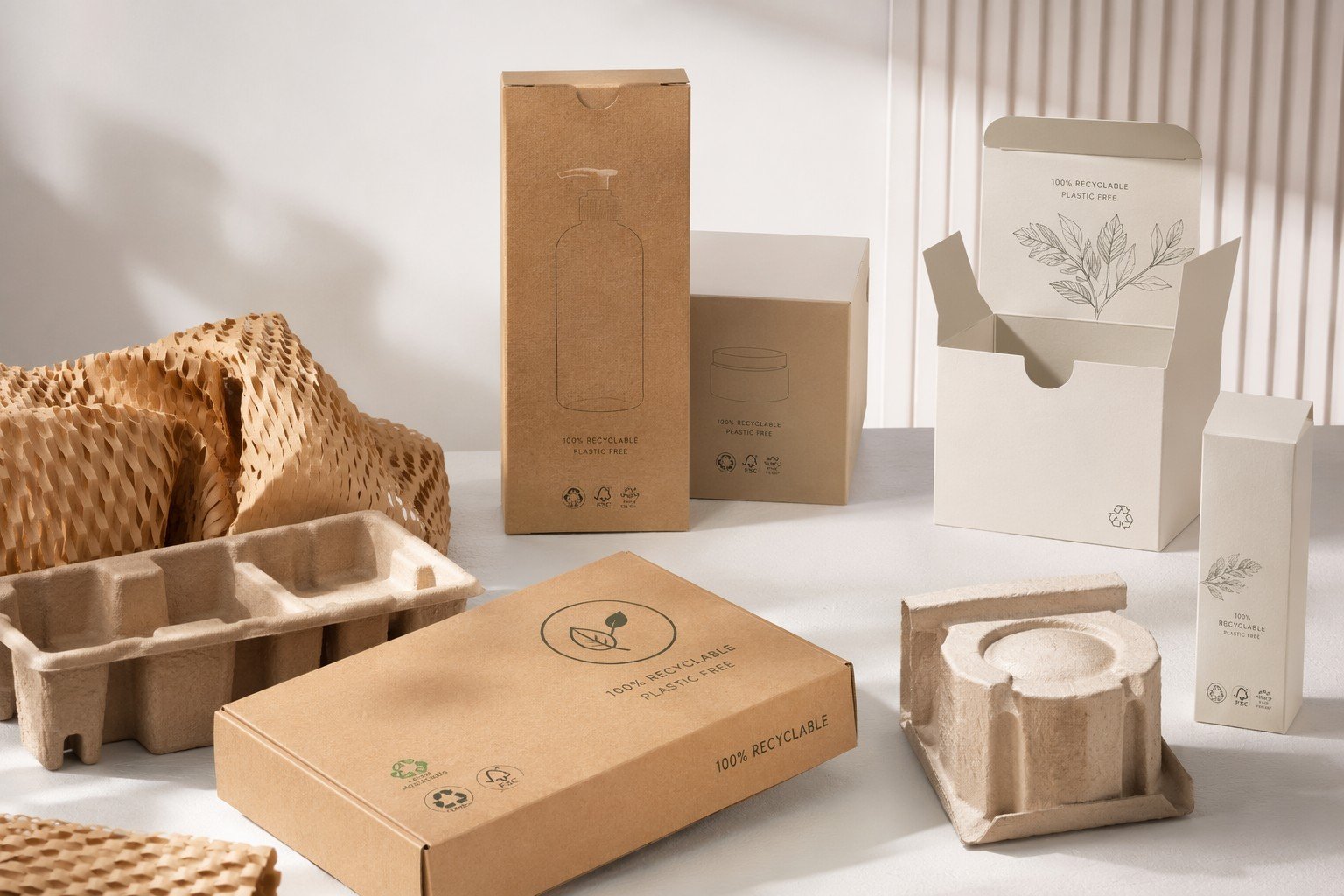
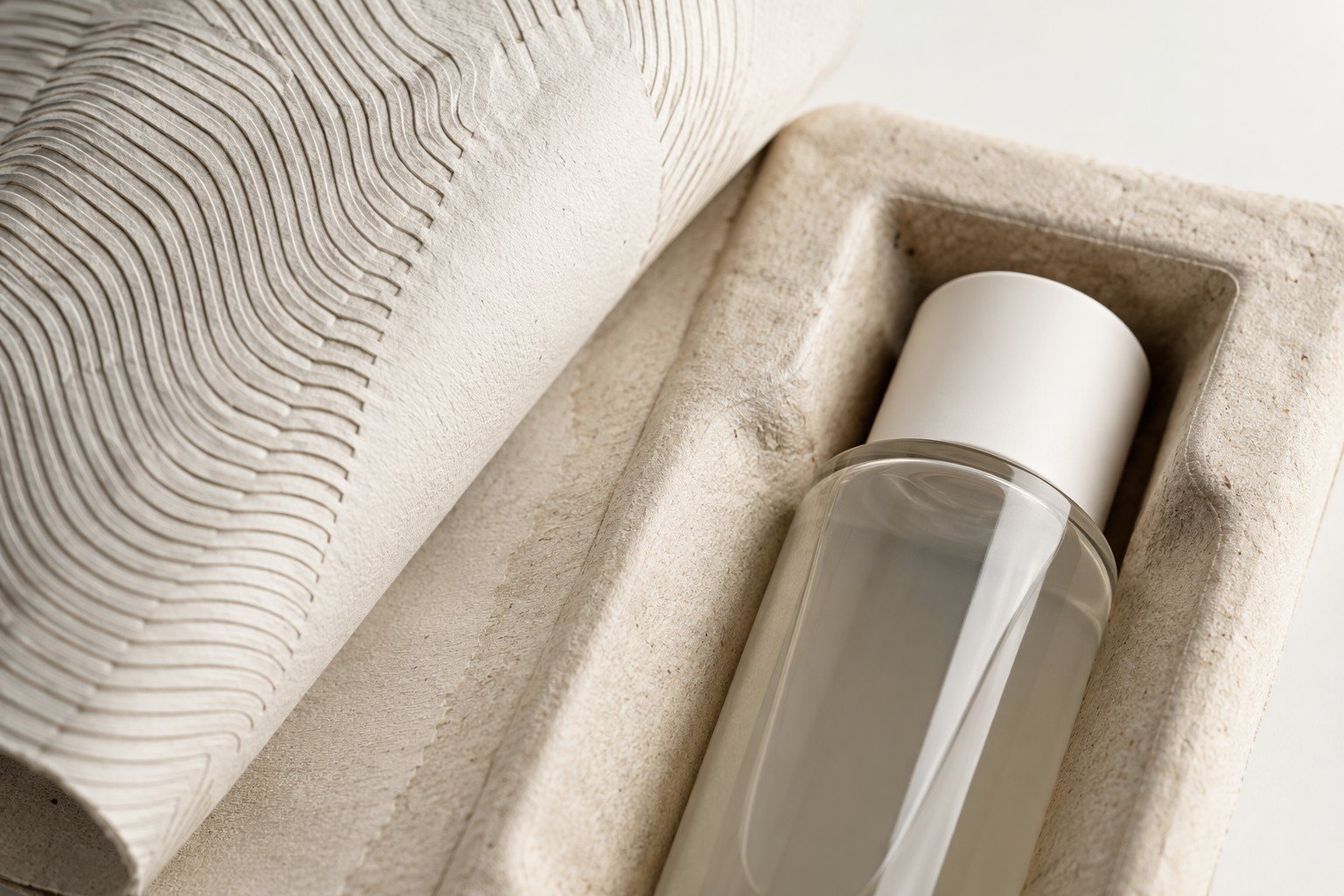
Modern paper packaging is far from the basic brown box of the past. Today’s fiber-based packaging solutions include premium rigid boxes with magnetic closures, soft-touch matte finishes, foil stamping, embossing, and full-color digital printing – all on recyclable paper substrates. For beauty brands worried about maintaining a luxury unboxing experience, EU PPWR paper packaging offers the same high-end tactile and visual impact as traditional formats, without the recyclability compromises. Innovations in barrier coatings also mean paper can now protect products from moisture, grease, and oxygen – historically the domain of plastic laminates.
For more insights on upcoming packaging trends, read our comprehensive guide on sustainable beauty packaging trends for 2026, where we explore how leading D2C brands are transforming their packaging strategies ahead of the PPWR implementation deadline.
EU PPWR Paper Packaging: Implementation Roadmap for Brands
Step 1: Audit Your Current Packaging Portfolio
Begin by cataloging every packaging format your brand uses – primary, secondary, and tertiary – and assess each against the PPWR’s recyclability criteria. Identify formats that are unlikely to meet Grade A or B thresholds, particularly multi-material laminates and non-recyclable plastics. Prioritize these for transition to EU PPWR paper packaging alternatives. This audit should include your entire supply chain, from contract manufacturers to fulfillment partners.
Step 2: Partner with Certified Paper Packaging Suppliers
Work with packaging suppliers who understand both the PPWR requirements and the beauty industry’s unique needs. Look for suppliers offering FSC-certified materials, design-for-recycling expertise, and the ability to scale with your brand’s growth. The right supplier partnership is crucial – transitioning to EU PPWR paper packaging is not a one-time switch but an ongoing collaboration that will evolve as regulations, materials, and technologies advance.
Step 3: Test, Validate, and Launch
Before full-scale roll-out, conduct thorough testing of your new paper packaging: drop tests, moisture resistance, seal integrity, and consumer unboxing experience studies. Validate that your paper packaging meets both functional requirements and sustainability claims. Document your compliance efforts – under PPWR, having verifiable data will be essential for demonstrating conformity. Then launch with a consumer communication strategy that explains why EU PPWR paper packaging is better for both your brand and the planet.
Conclusion: Act Now on EU PPWR Paper Packaging
The EU PPWR represents the most significant packaging regulation in a generation. For beauty and D2C brands, the message is clear: the transition to recyclable packaging is not optional, and the timeline is aggressive. EU PPWR paper packaging provides the most efficient, cost-effective, and consumer-preferred pathway to full compliance. Brands that begin their transition in 2026 will avoid the supply chain bottlenecks, cost spikes, and compliance risks that late movers will face. The time to act is now – before your competitors do.